Hukommelseschip

Returns and responsibility can go hand in hand

Companies that ignore environmental issues, social conditions or weak governance take greater risks, all else being equal – and in some cases, this can have direct financial consequences. For example, a company with poor environmental practices may face fines, new regulation or higher operating costs.

That is why we integrate ESG into our investment decisions; not only to do the right thing, but because it enables better risk management.

ESG covers three areas:

  • Environmental – e.g. climate impact and resource use
  • Social – e.g. working conditions and human rights
  • Governance – e.g. board composition and anti-corruption

When we assess investments, ESG is part of the overall picture – because a company that manages these issues well also has a good chance of being more resilient over time.

See Nordea Asset Management Responsible Investment Policy

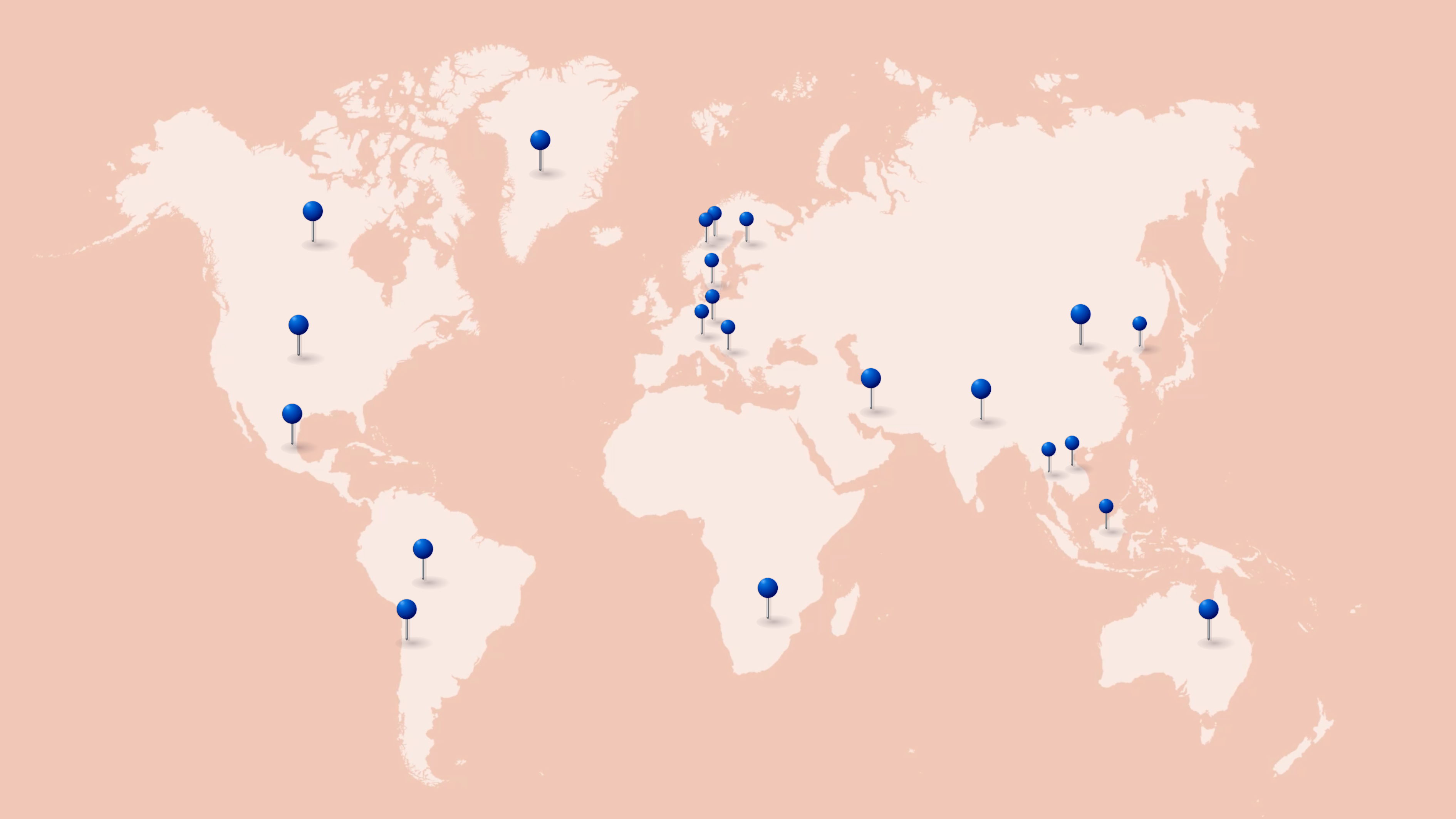
Illustration af et verdenskort i lys creme på en laksefarvet baggrund. Omkring 20 blå knappenåle markerer steder på alle kontinenter undtagen Antarktis. De fleste nåle er samlet i Norden og Nordeuropa, mens resten er spredt over Nordamerika, Sydamerika, det sydlige Afrika, Asien og Australien.

Active ownership – we engage in dialogue

As an investor, we have a formal right to set expectations for the companies we invest in. We actively exercise that right.

This means that we:

Engage with companies that do not meet our requirements
Conduct company visits to identify hidden risks

These activities give us a deeper understanding of the reality behind the numbers, for your benefit as an investor. Among other things, we look at corporate culture, management and operational procedures. An important part of our work is identifying risks that we might otherwise be unaware of, for example whether a company’s suppliers use underpaid labour or child labour.

As a major European asset manager, Nordea Asset Management maintains an ongoing dialogue with companies on ESG matters.

Join Nordea Asset Management on field trips (Danish)

Foto af en person i blå skjorte, der lægger en hvid stemmeseddel i en stemmeboks af pap.

Active ownership – we use our voice

We work closely with our investment teams and external asset managers to promote good corporate governance and create value for our investors.

Participate each year in around 400 general meetings
Cast approximately 6,500 votes on behalf of our investors
Contribute to strong and competent boards
Engage in dialogue with companies on important ownership and governance matters
Promote transparency and responsible corporate governance

See how we vote – Visit our Voting Portal to gain insight into how we exercise our voting rights.

Go to Voting Portal

Eric Pedersen+Barcelos

Investing within a clear framework

Exclusion from our funds is always a last resort. As soon as we divest from a company, we lose the opportunity to influence it, and as a general rule, that is not what we want. However, we do not, for example, invest in companies that produce controversial weapons, and we have zero tolerance for companies that violate international norms on human rights or environmental protection.

To limit exposure to fossil fuels, we also exclude companies that derive more than 5% of their revenue from thermal coal or oil sands. Our restrictions and the full exclusion list are updated on an ongoing basis, so you can always find the exact data and specific thresholds that apply to our funds.

Read more and view the exclusion list here

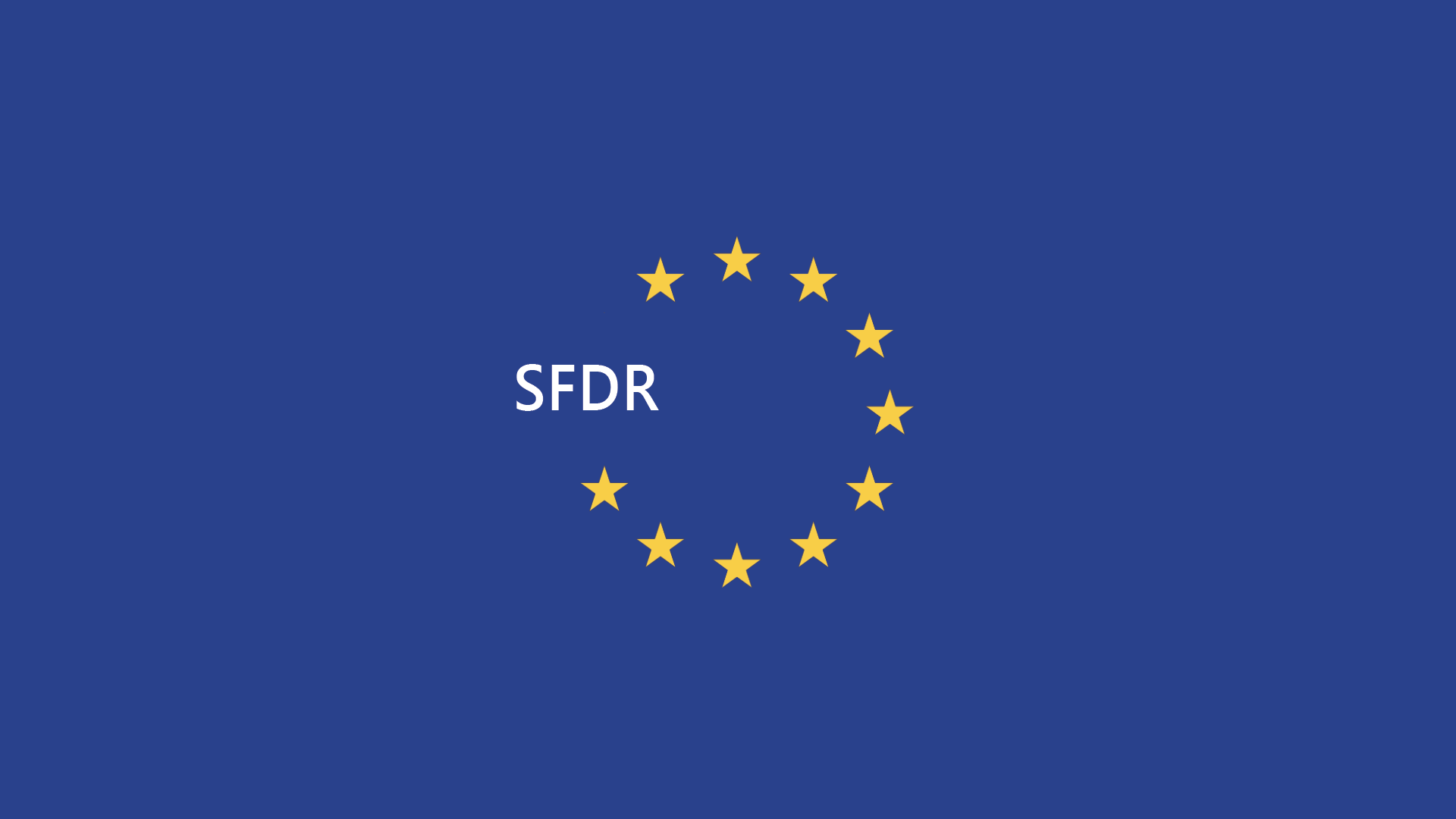
Grafik med EU-flaget: gule stjerner i en cirkel på blå baggrund. To stjerner i venstre side af cirklen er erstattet af den hvide tekst "SFDR" (Sustainable Finance Disclosure Regulation, EU's forordning om bæredygtighedsrelaterede oplysninger).

We follow the EU rules on sustainable finance

All our funds are classified in accordance with the EU Sustainable Finance Disclosure Regulation (SFDR). SFDR is a disclosure regulation that requires us to provide information on how we integrate sustainability risks into our investment decisions. The classification indicates the extent to which each fund takes sustainability considerations into account in its investment strategy, but it is not a quality rating or a sustainability label.

See all funds